 CosmoConifer
GameMaker · GML · In development
Solvane: The Iron Reach
An infinite procedurally generated galaxy you mine, build in, defend, and fly through in a ship you configured yourself.
What it is
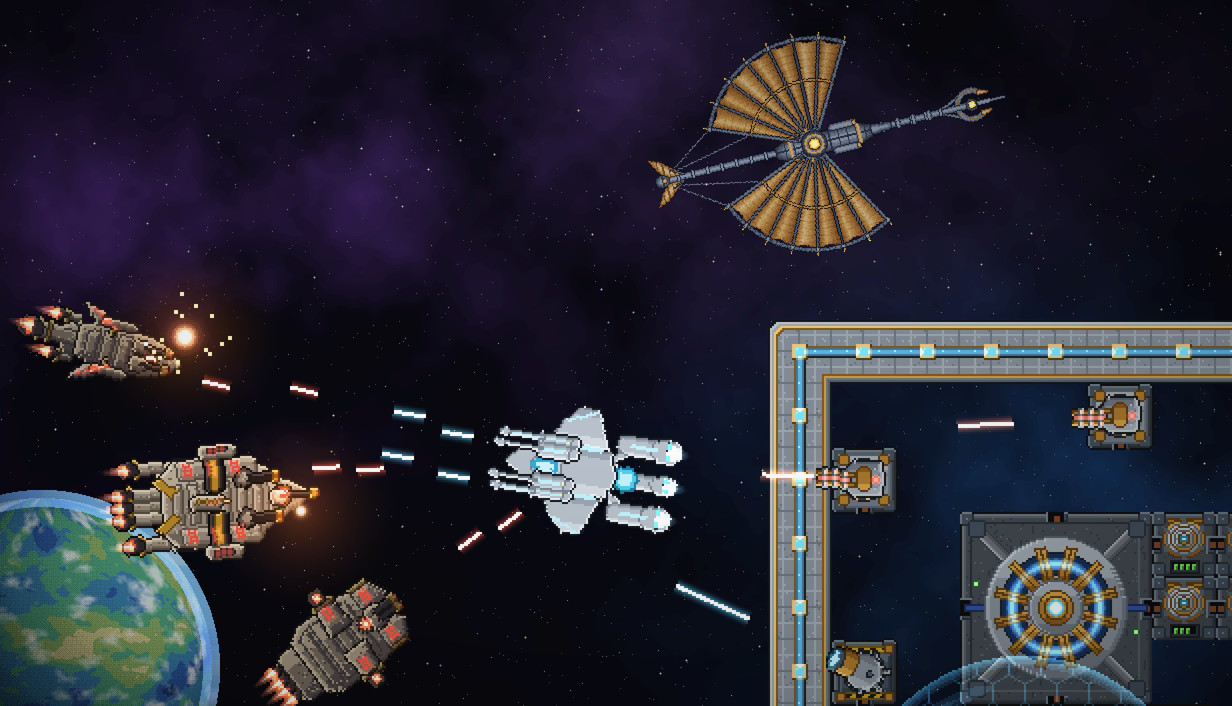
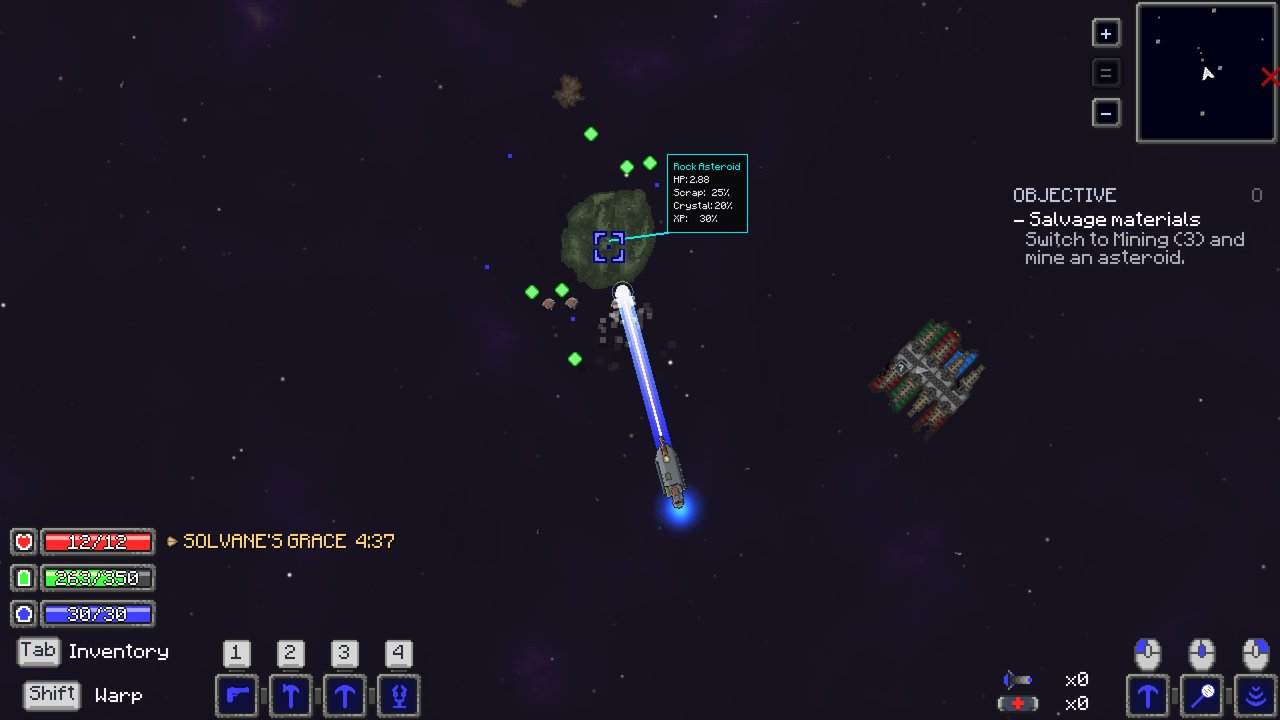
Top-down, infinite, procedurally generated. You fly out from your base, scan asteroids to see what they're actually worth before you spend time on them, break the ones that pay, and haul the ore home.
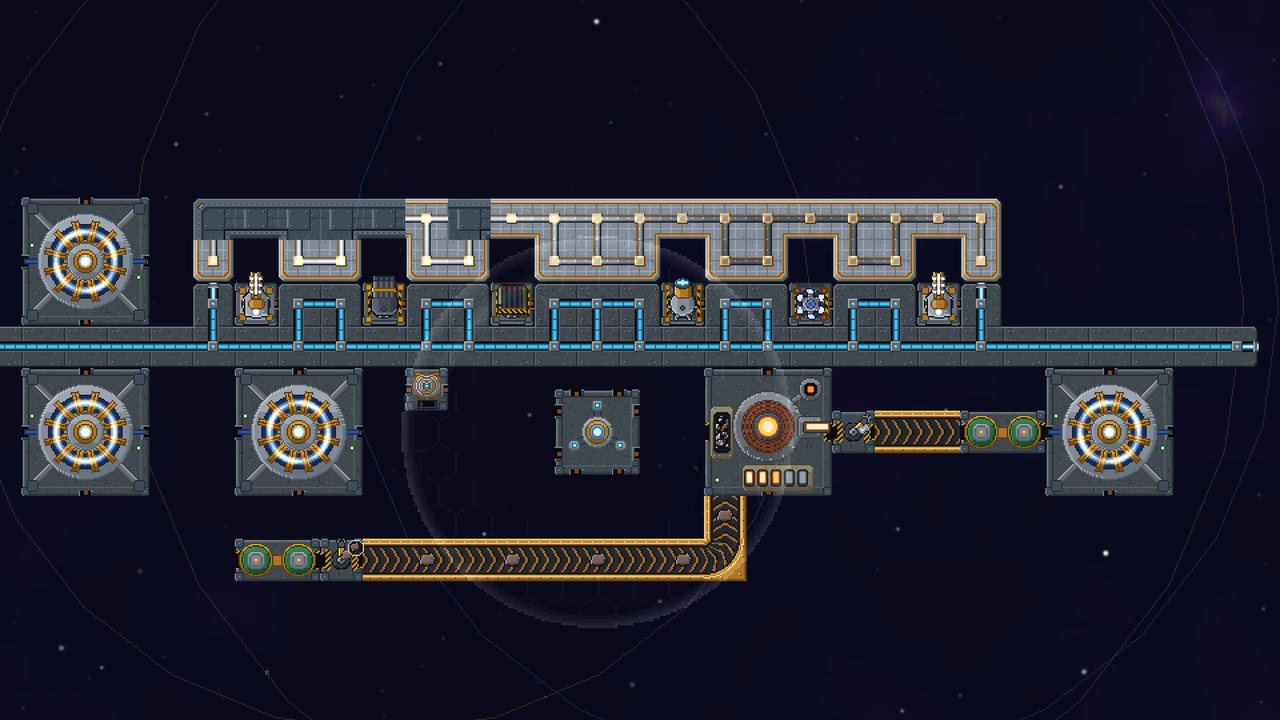
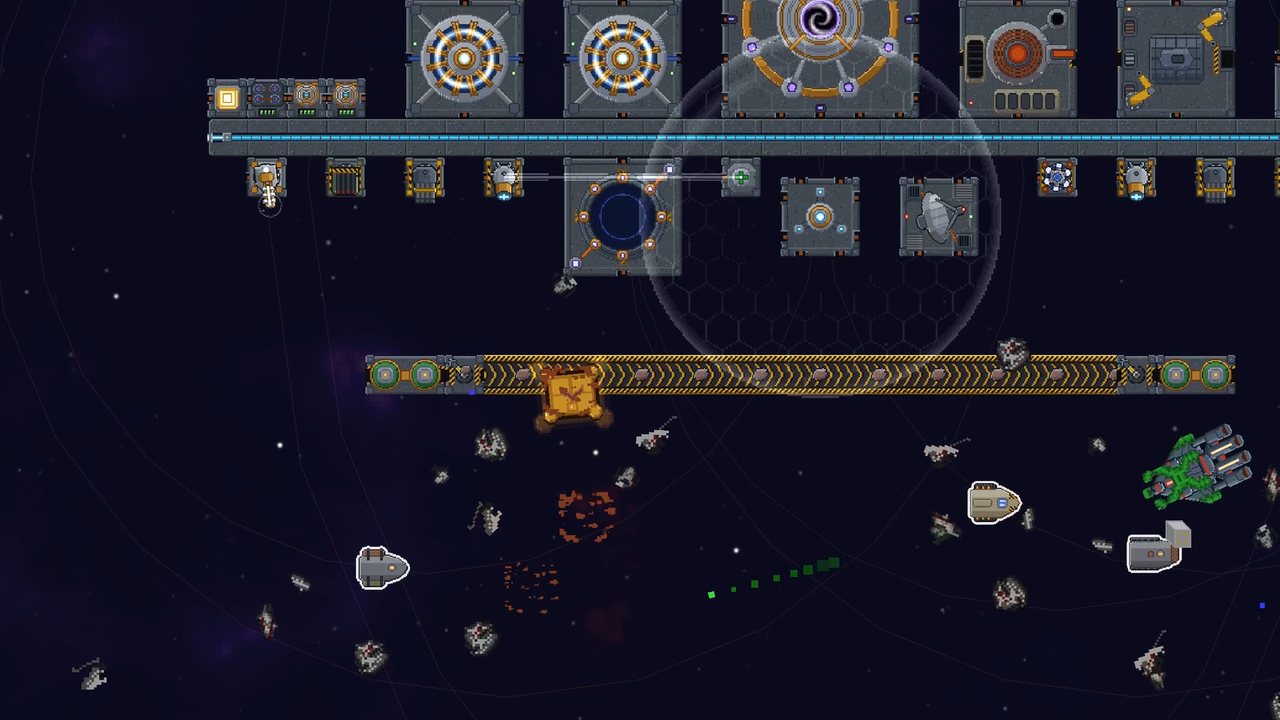
Home is a factory you lay out yourself. Solar arrays make power, conduits move it, and processing turns raw ore into the parts you need. Drones get built to repair the base and help defend it. Turrets cover the approaches, because the galaxy eventually notices you're out there.
Weapons are built rather than bought, so a loadout is a decision instead of a menu. The short version: Factorio and tower defense, in space, in pixel art.
- An infinite galaxy generated as you fly, with planets and moons on drawn orbital paths
- Asteroid mining that tells you the yield before you commit to the rock
- Base building with power generation, conduits, processing and storage
- Turrets and constructed drones that repair and defend what you've built
- Ship and weapon configuration from parts you manufacture
- Developer
- CosmoConifer
- Engine
- GameMaker Studio, GML
- Platform
- PC
- Started
- 2016
- Status
- In development
- Release
- 2027
Screenshots
Captured in game from the current build. The press kit has more of them at full size.
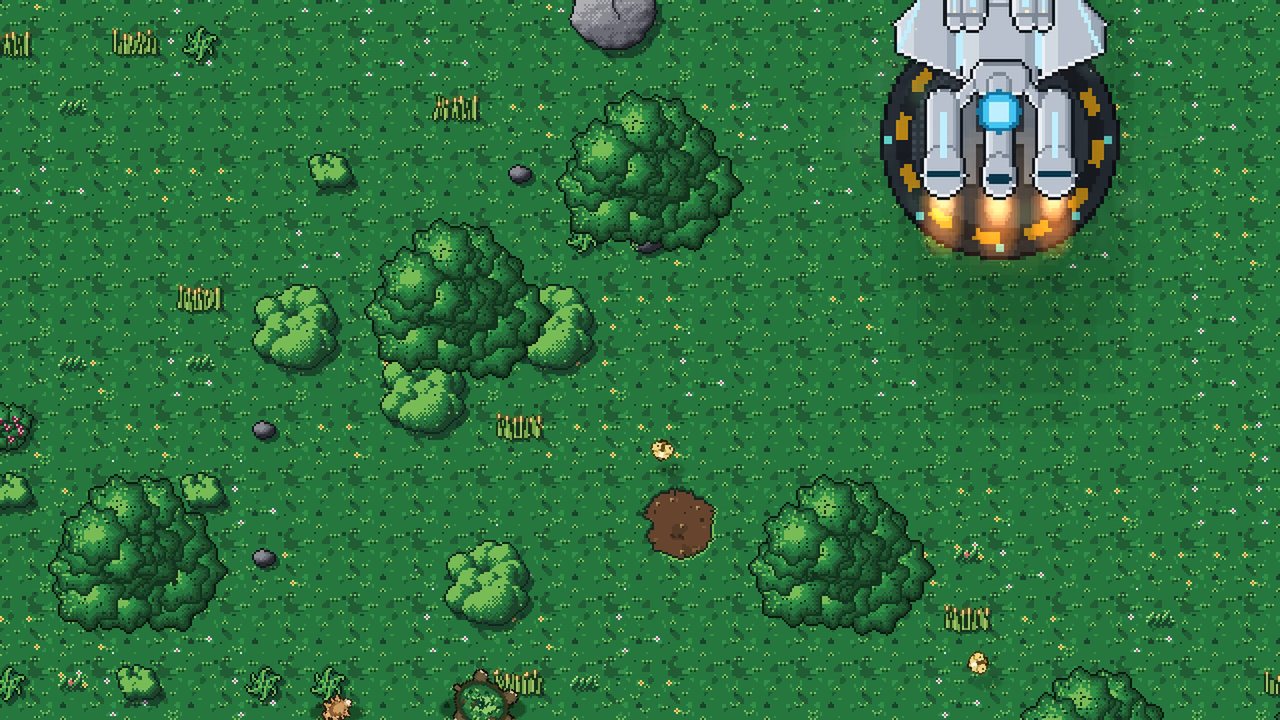
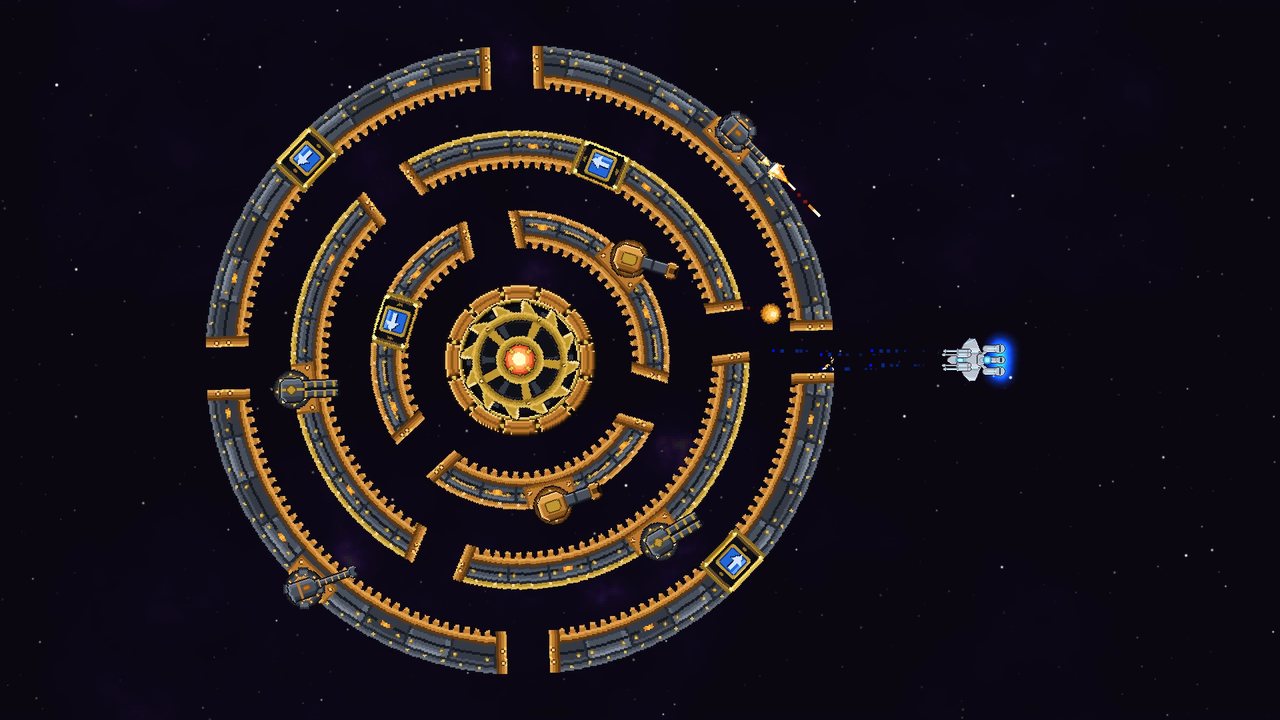
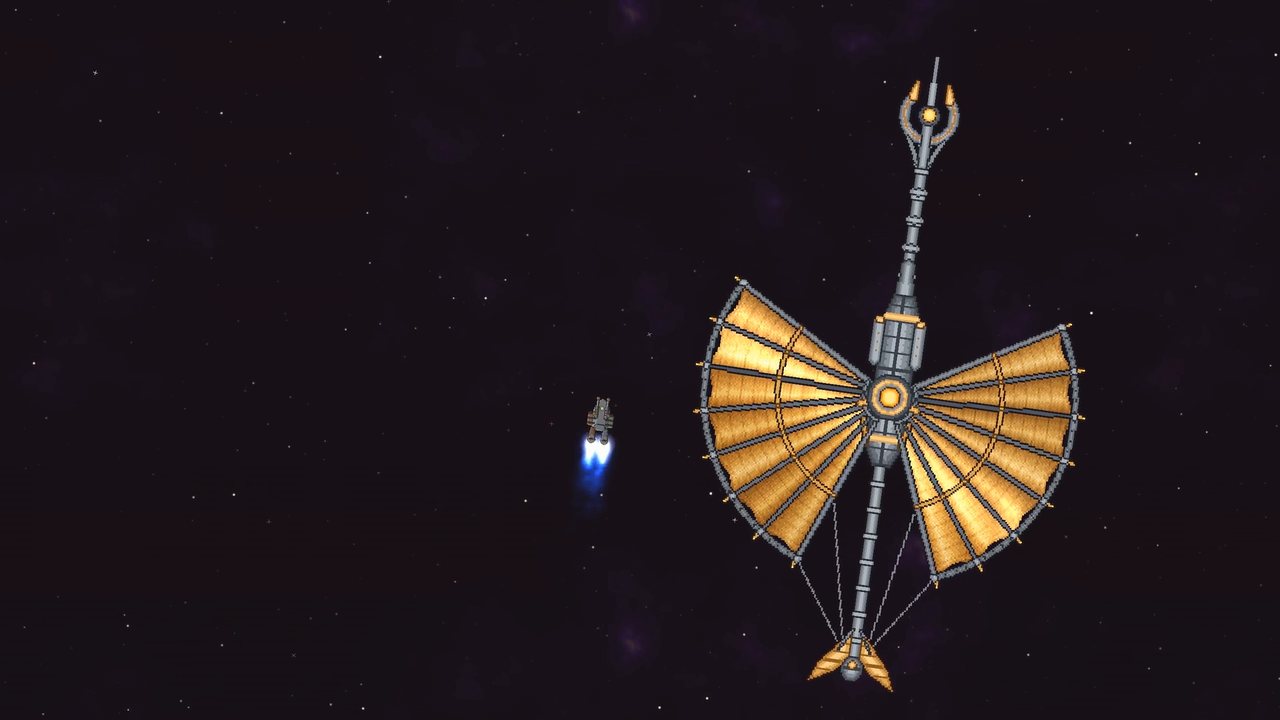
Where it came from
In 2016 I opened GameMaker and started building a space game.
It wasn't called Solvane then. It was called Starim, and after that Solar Pilgrimage, AstRogue, Cosmic Ruins and — once I'd finally got sick of renaming things — Space Game Project. I still have most of those builds. The oldest one is dated 18 November 2016.
The early weeks were easy, which is the trap. Ships moved, asteroids broke apart, things exploded. The moment I started building systems that had to talk to each other, the actual size of game development turned up all at once.
Nine years in, the thing I'd point to isn't a feature. It's that I've walked away from this project for months at a time and always come back to it.
The parts that took longest are the ones a screenshot can't show: a chunk system I wrote three times before it held together, save formats, and finding out what nine months away does to a codebase you thought you understood.
Follow along
The Steam page is live and the game is aiming at 2027. Wishlisting is the single most useful thing you can do for a game this size: it tells Steam the game is worth showing to people, and it means you hear from them the day it launches rather than from me.